
PATIO CLEANING SERVICE WEST SUSSEX – PROFESSIONAL PATIO CLEANING & PRESSURE WASHING
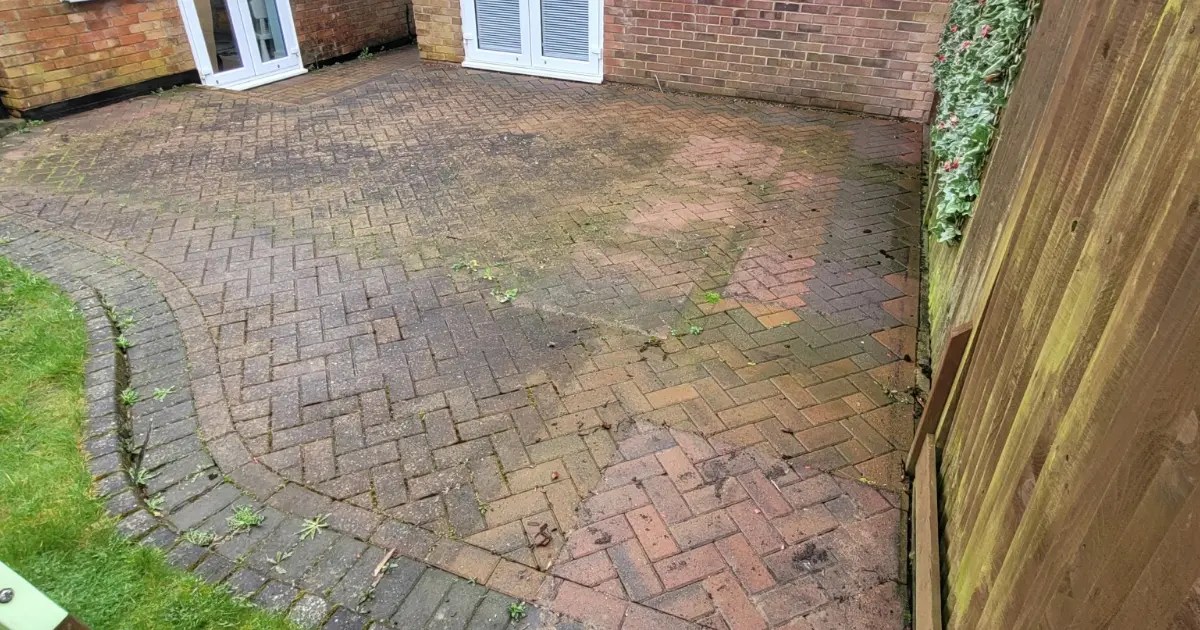
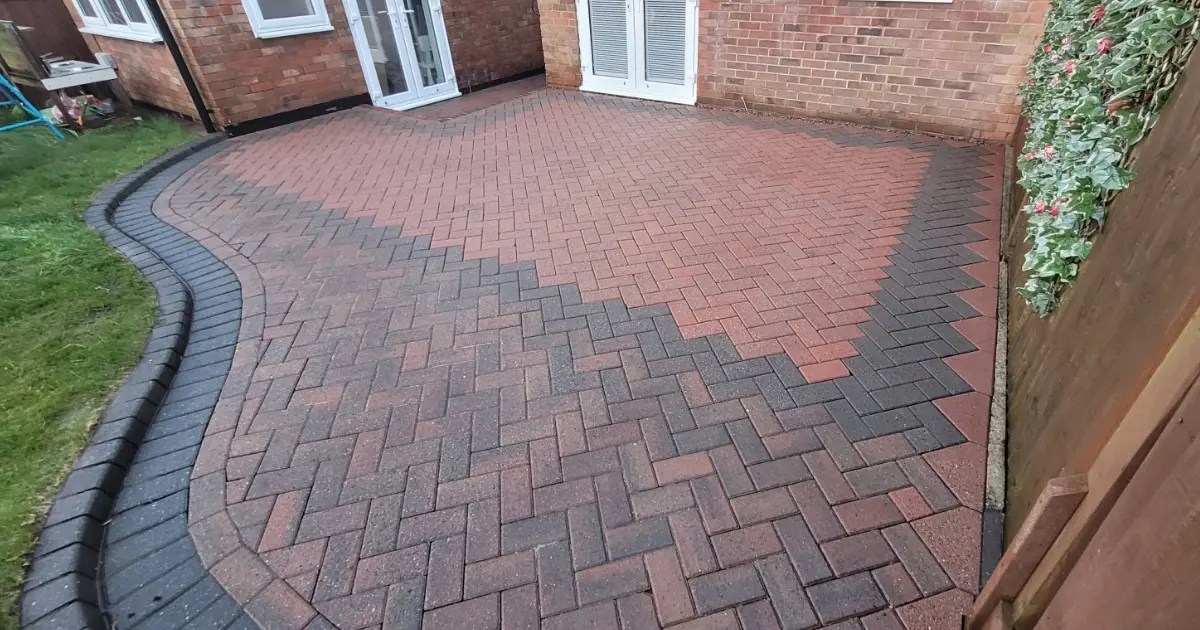
This block paved patio area was in need of a good clean, with built-up dirt and grime taking away from its appearance. After a thorough clean, it’s looking fresh, clean and revitalised again.
What a difference!
Mobile: 07546 947214
Email: thejetwashfella@outlook.com
A patio can completely change the appearance of a garden, but after years of rain, shade, foot traffic, fallen leaves and general weathering, even a good-quality patio can start to look tired.
Moss, algae, lichen, weeds and built-up dirt can gradually cover the original colour of the paving. In shaded or damp areas, organic growth can also make the surface slippery.
The Jet Wash Fella provides professional patio cleaning across West Sussex, helping homeowners, landlords, letting agents and businesses bring tired outdoor paving back to a cleaner and more presentable condition.
With nearly 20 years of exterior cleaning experience, I don’t treat every patio in exactly the same way.
Different paving materials require different cleaning methods.
The condition of the surface matters just as much as the type of paving, which is why I assess the patio before deciding how best to clean it.
PROFESSIONAL PATIO CLEANING ACROSS WEST SUSSEX
From a small garden patio to a large outdoor entertaining area, patios can collect a surprising amount of dirt over time.
Depending on the surface and its condition, professional cleaning can help remove or improve:
- Moss
- Algae
- Lichen
- General dirt and grime
- Weeds and organic growth
- Leaf staining
- Weathering
- Mud and surface deposits
- Some staining
- Slippery organic contamination
- Dirt from surrounding trees and vegetation
The result will depend on the age, material and condition of the patio.
I believe in giving customers a realistic idea of what can be achieved rather than promising that every stain or mark will disappear completely.
WHAT TYPES OF PATIOS CAN I CLEAN?
I work with a wide range of outdoor paving materials, including:
- Natural sandstone
- Indian sandstone
- Other natural stone
- Limestone
- Yorkstone
- Concrete paving
- Porcelain paving
- Block paving
- Imprinted concrete
- Crazy paving
- Suitable resin-bound surfaces
The cleaning process is not identical for each one.
For example, a heavily weathered sandstone patio may require a completely different approach from a concrete patio, while porcelain requires attention to its surface and joints.
NATURAL SANDSTONE PATIO CLEANING
Natural sandstone is one of my favourite surfaces to work with, but it needs to be treated with care.
Sandstone is porous and can vary considerably in hardness and condition.
Some older or softer sandstone can be vulnerable to excessive pressure, which can potentially remove small slivers or layers from the surface.
That is why I don’t simply turn the pressure up and blast the patio.
Where appropriate, I use a specialist soft-wash treatment to help break down algae, lichen, moss and other organic contamination before carefully controlled pressure cleaning.
The aim is to remove the contamination while helping to preserve the natural character and colour of the sandstone.
PORCELAIN PATIO CLEANING
Porcelain has become increasingly popular for modern gardens because of its clean appearance and low-maintenance qualities.
However, outdoor porcelain can still develop algae, moss, dirt and organic deposits, particularly where the patio is shaded or regularly exposed to moisture.
Porcelain needs to be approached differently from traditional concrete or block paving.
I assess the surface first and use a suitable cleaning method for the particular patio.
BLOCK PAVING PATIOS
Block paving can become particularly dirty because organic growth establishes itself within the joints as well as across the surface of the blocks.
A thorough clean can remove accumulated dirt, moss and algae and dramatically improve the overall appearance.
Where appropriate, I can also re-sand the joints using kiln-dried sand after cleaning.
Whether re-sanding is suitable depends on the condition and size of the joints, so I assess this as part of the job rather than automatically adding it to every patio.
CONCRETE PATIO CLEANING
Concrete paving is durable, but it can become heavily weathered over time.
Dirt, algae, moss, leaf staining and general grime can gradually make the surface look darker and older than it really is.
Professional cleaning can remove much of this surface contamination and reveal more of the original appearance.
Older concrete should still be assessed before cleaning, particularly if there are signs of surface deterioration or previous damage.
LIMESTONE, YORKSTONE AND OTHER NATURAL STONE
Natural stone comes in many different forms, and each surface can respond differently to cleaning.
Limestone, Yorkstone and other natural paving can become stained, weathered or covered in organic growth.
I assess the condition of the stone before deciding how to clean it.
The objective is not simply to achieve the most aggressive clean possible.
The objective is to achieve the best realistic result while respecting the material being cleaned.
WHY PATIOS BECOME GREEN, BLACK AND SLIPPERY
A patio doesn’t become dirty overnight.
West Sussex’s wet weather, shaded gardens, trees and surrounding vegetation can create ideal conditions for algae, moss and lichen.
Common contributing factors include:
- Shaded areas
- Trees overhanging the patio
- Persistent moisture
- Poor drainage
- Fallen leaves
- Nearby vegetation
- Infrequent cleaning
- Weathering
Organic growth can make paving appear green, black or discoloured.
It can also contribute to a slippery surface when wet.
Cleaning can remove the existing contamination, but future regrowth depends heavily on the conditions around the patio.
BLACK SPOTS AND LICHEN ON PATIOS
Black spotting is a common problem, particularly on natural stone.
These marks can be stubborn and may be associated with lichen and other organic contamination.
A suitable treatment can help break down the contamination before the surface is carefully cleaned.
However, complete removal cannot be guaranteed.
The result depends on the type of stone, its age, previous cleaning, how established the staining is and the condition of the surface.
I would rather explain that honestly than promise a perfect result before seeing the patio.
MY PATIO CLEANING PROCESS
Every patio is different, but my approach generally involves several stages.
1. ASSESS THE SURFACE
I look at the paving material, condition, joints, staining and organic growth before deciding how best to approach the cleaning.
2. CLEAR LOOSE DEBRIS
Leaves, loose moss, weeds and other debris are removed where necessary so that the actual surface can be properly assessed.
3. PRE-TREATMENT WHERE APPROPRIATE
Depending on the material and contamination, an appropriate treatment may be applied to help break down organic growth and loosen built-up dirt.
4. ALLOW THE TREATMENT TO WORK
Some treatments need time to work effectively.
I don’t believe in simply applying a product and immediately washing it away without allowing suitable dwell time.
5. CONTROLLED PRESSURE CLEANING
The patio is then carefully cleaned using equipment and pressure appropriate to the material and its condition.
Maximum pressure isn’t automatically the best pressure.
6. REPEAT TREATMENT WHERE NECESSARY
Some particularly stubborn areas may require additional treatment and cleaning.
7. FINAL CLEAN-UP
The patio and surrounding working area are left as tidy as reasonably possible, with loose dirt and debris cleared away.
WHY I DON’T USE THE SAME CLEANING METHOD ON EVERY PATIO
This is one of the most important things to understand about professional patio cleaning.
A patio isn’t simply a flat surface that needs water and pressure.
Sandstone isn’t concrete.
Porcelain isn’t block paving.
Old weathered paving isn’t the same as newly installed paving.
Using excessive pressure or the wrong equipment can potentially damage certain surfaces.
The condition of the patio therefore needs to be considered before cleaning begins.
My experience over nearly 20 years has taught me that understanding the surface is just as important as having powerful equipment.
CAN PATIO CLEANING DAMAGE PAVING?
Any outdoor surface can potentially be damaged if inappropriate equipment, pressure or cleaning methods are used.
This is particularly important with softer natural stone and older or deteriorating paving.
Before starting work, I look for signs of:
- Cracked slabs
- Loose paving
- Deteriorated joints
- Surface erosion
- Previous pressure-washing damage
- Existing repairs
- Areas requiring additional care
If I think something needs attention before cleaning, I’ll tell you.
CAN YOU CLEAN A VERY DIRTY OR NEGLECTED PATIO?
Yes, heavily weathered patios can often be significantly improved.
However, the longer contamination has been present, the more difficult it can be to remove completely.
A patio that hasn’t been cleaned for many years may have:
- Deep organic staining
- Established lichen
- Worn or weathered stone
- Damaged joints
- Permanent discolouration
Cleaning can make a substantial difference, but it cannot reverse physical damage or every form of permanent staining.
PATIO CLEANING AND RE-SANDING
If your patio or paved area uses block paving, the cleaning process can remove some existing jointing sand.
Where appropriate, I can re-sand the joints after cleaning using kiln-dried sand.
The surface needs to be sufficiently dry and the joints suitable before the sand is applied.
This gives the finished patio a more complete appearance and replaces jointing material that has been lost during cleaning.
SHOULD A PATIO BE SEALED AFTER CLEANING?
Not every patio needs to be sealed.
Whether sealing is appropriate depends on the material, age, condition and how the patio is used.
A suitable sealer may provide additional protection for some surfaces, but it isn’t something I believe should automatically be added to every cleaning job.
If you’re considering sealing, I can discuss the options with you after assessing the surface.
HOW LONG DOES PATIO CLEANING TAKE?
There isn’t a standard time because patios vary considerably in size and condition.
A small patio may take a few hours, while a large or heavily contaminated area can take considerably longer.
Natural stone that requires additional treatment may also take longer than a straightforward concrete patio.
I’ll give you a realistic idea of the work involved when quoting.
BEFORE AND AFTER PATIO CLEANING


A genuine before-and-after photograph can often tell you more than pages of sales copy.
Years of dirt, moss and algae can completely change the appearance of paving.
Once the contamination has been removed, the natural colour and character of the original surface can become visible again.
I like using genuine examples of my work because the results should speak for themselves.
PATIO CLEANING FOR HOMES, LANDLORDS AND BUSINESSES
I provide patio and outdoor paving cleaning for:
- Homeowners
- Landlords
- Letting agents
- Property managers
- Businesses
- Pubs and restaurants
- Commercial properties
- Holiday accommodation
- Other suitable outdoor areas
For commercial work, I can also consider site access, water supply, drainage and pedestrian safety as part of the planning process.
PATIO CLEANING ACROSS WEST SUSSEX
I cover a wide area of West Sussex and surrounding locations.
Areas include:
Crawley, Horsham, Worthing, Chichester, East Grinstead, Bognor Regis, Haywards Heath, Burgess Hill, Littlehampton, Shoreham-by-Sea, Lancing, Southwater, Billingshurst, Midhurst, Petworth, Storrington, Arundel, Henfield, Steyning, Hassocks, Hurstpierpoint, Selsey, Pulborough, Lindfield, Cuckfield, Balcombe, Angmering, Copthorne, Ifield, West Chiltington, Broadbridge Heath, Ashurst Wood, Handcross, Crawley Down, Felpham, Findon Valley, Upper Beeding, Barnham, Yapton and Tangmere.
I also cover surrounding towns, villages and rural areas depending on the job.
If your location isn’t listed, get in touch anyway.
WHY CHOOSE THE JET WASH FELLA?
I’ve been working in exterior cleaning for nearly 20 years.
That experience has taught me that good pressure washing isn’t about simply using the most powerful machine or the highest pressure possible.
It’s about knowing what you’re cleaning and how it should be cleaned.
I take pride in my work and aim to give customers honest advice.
If a surface needs a particular treatment, I’ll explain why.
If I think aggressive pressure could damage it, I’ll tell you.
And if I don’t think cleaning will achieve the result you’re hoping for, I’d rather be honest about that before the job starts.
Professional cleaning. Practical experience. Straightforward advice.
FREQUENTLY ASKED QUESTIONS – PATIO CLEANING WEST SUSSEX
1. WHAT AREAS DO YOU COVER FOR PATIO CLEANING IN WEST SUSSEX?
I cover a wide area including Crawley, Horsham, Worthing, Chichester, East Grinstead, Bognor Regis, Haywards Heath, Burgess Hill, Littlehampton, Shoreham-by-Sea, Lancing, Billingshurst, Arundel, Pulborough, Copthorne, Crawley Down and many surrounding towns and villages.
2. WHAT TYPES OF PATIOS CAN YOU CLEAN?
I clean suitable natural stone, sandstone, limestone, Yorkstone, concrete, block paving, porcelain, crazy paving, imprinted concrete and other suitable outdoor paving surfaces.
3. CAN YOU REMOVE MOSS AND ALGAE FROM A PATIO?
Yes. Moss and algae can generally be removed through appropriate treatment and cleaning. How quickly they return depends on factors such as shade, moisture, trees, drainage and surrounding vegetation.
4. CAN YOU REMOVE BLACK SPOTS FROM SANDSTONE?
Specialist treatment can help improve black spotting and lichen on sandstone. However, complete removal cannot always be guaranteed, particularly where staining is old or deeply established.
5. CAN PRESSURE WASHING DAMAGE A PATIO?
It can if excessive pressure or an unsuitable cleaning method is used. I assess the material and condition of the patio first and adjust the cleaning approach accordingly.
6. CAN YOU CLEAN OLD AND WEATHERED PATIOS?
Yes. Older patios can often be significantly improved, although the final result depends on the condition of the paving. Cleaning cannot reverse physical erosion, cracks or every form of permanent staining.
7. DO YOU CLEAN SANDSTONE PATIOS?
Yes. Sandstone requires particular care because it can be softer and more porous than some other paving materials. Where appropriate, I use specialist treatment followed by carefully controlled pressure cleaning.
8. CAN YOU CLEAN PORCELAIN PATIOS?
Yes. Outdoor porcelain can develop algae, moss and dirt, particularly in shaded or damp areas. I assess the surface and use an appropriate cleaning method for the material.
9. DO YOU RE-SAND BLOCK PAVING AFTER CLEANING?
Yes, where appropriate. Kiln-dried sand can be brushed back into suitable joints after the block paving has been cleaned and is sufficiently ready for re-sanding.
10. HOW LONG DOES PATIO CLEANING TAKE?
It depends on the size, material and condition of the patio. A small area may take a few hours, while a larger or heavily contaminated patio can take considerably longer.
11. CAN YOU CLEAN PATIOS IN WINTER?
Yes, patio cleaning can be carried out throughout much of the year. However, weather conditions can affect when certain work can safely and effectively be completed.
12. WILL PATIO CLEANING STOP MOSS AND ALGAE COMING BACK?
Cleaning removes the existing contamination, but it cannot guarantee that moss and algae will never return. Shade, moisture, trees, drainage and weather all influence future growth.
13. CAN YOU REMOVE WEEDS FROM PATIO JOINTS?
Existing weeds and organic growth can be removed as part of the cleaning process. However, weeds can return because seeds and organic material can be introduced into joints again over time.
14. DO YOU CLEAN COMMERCIAL PATIOS?
Yes. I also clean suitable commercial outdoor areas including pub gardens, restaurant patios, business entrances, walkways and other external paved areas.
15. HOW MUCH DOES PATIO CLEANING IN WEST SUSSEX COST?
The price depends on the size, material, condition, access and amount of work required. I provide quotations based on the particular job rather than using one price for every patio.
16. HOW DO I GET A QUOTE FOR PATIO CLEANING?
You can call or message me on 07546 947214, email TheJetWashFella@outlook.com, or send photographs of the patio. Photos can be particularly useful for giving an initial idea of the work involved.
GET A QUOTE FOR PATIO CLEANING IN WEST SUSSEX
If your patio has become dirty, green, black, moss-covered or weathered, get in touch with The Jet Wash Fella.
Send me a few photographs and I’ll take a look at the surface and discuss what I think can realistically be achieved.
Whether you’re in Crawley, Horsham, Worthing, Chichester, Haywards Heath, Burgess Hill, East Grinstead, Copthorne, Crawley Down or one of the many surrounding West Sussex locations, I’m happy to discuss your requirements.
THE JET WASH FELLA
Nearly 20 years of exterior cleaning experience
PATIOS • DRIVEWAYS • NATURAL STONE • BLOCK PAVING • EXTERIOR CLEANING
📞 07546 947214
Posts
Where we cover
Copthorne, Crawley,
Horsham, East Grinstead, Reigate, Redhill, and beyond.
Follow us
Facebook
Twitter
Instagram

This website was created by Design SEO Website.
Crawley – Horsham – Worthing – Chichester – East Grinstead – Bognor Regis – Haywards Heath – Burgess Hill – Littlehampton – Shoreham-by-Sea – Lancing – Southwater – Billingshurst – Midhurst – Petworth – Storrington – Arundel – Henfield – Steyning – Hassocks – Hurstpierpoint – Selsey – Pulborough – Lindfield – Cuckfield – Balcombe – Angmering – Copthorne – Ifield – West Chiltington – Broadbridge Heath – Ashurst Wood – Handcross – Crawley Down – Felpham – Findon Valley – Upper Beeding – Barnham – Yapton – Tangmere

